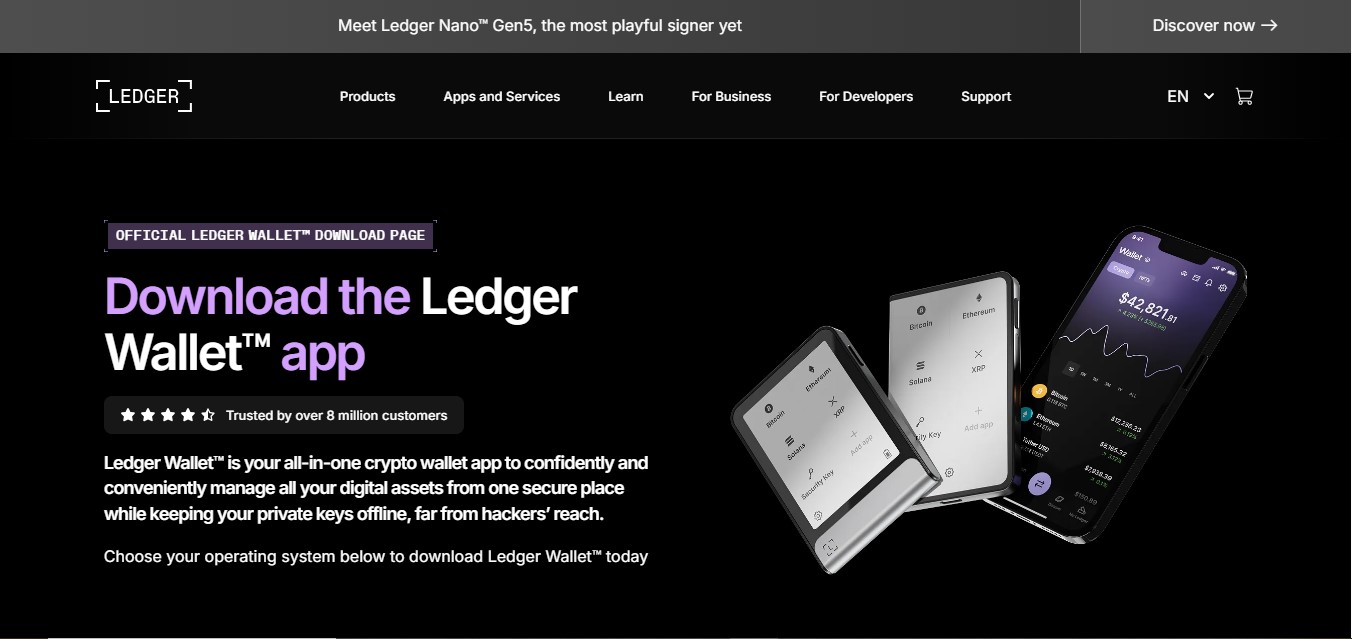
Ledger® Live: Login | Secure Access to Your Wallet
Ledger® Live is the official application designed to help users securely manage their cryptocurrency assets using Ledger hardware wallets. Acting as the central interface between your Ledger device and the blockchain, Ledger Live enables safe login, account management, transactions, staking, and portfolio tracking—all while keeping your private keys offline. This guide explains how Ledger Live login works, why it is secure, and how to access your wallet safely on desktop and mobile devices.
What Is Ledger Live?
Ledger Live is a trusted desktop and mobile application developed by Ledger to support its hardware wallets, such as Ledger Nano S Plus and Ledger Nano X. Unlike software-only wallets, Ledger Live works in combination with a physical device, ensuring that sensitive information such as private keys never leaves the hardware wallet.
The Ledger Live app allows users to:
Log in securely using a Ledger device
Manage multiple crypto accounts in one place
Send and receive cryptocurrencies safely
Buy, sell, swap, and stake supported assets
Monitor portfolio performance in real time
Ledger Live is available for Windows, macOS, Linux, Android, and iOS, offering flexibility while maintaining high security standards.
How Ledger Live Login Works
Ledger Live does not use traditional username-and-password login methods. Instead, it relies on hardware-based authentication, which significantly reduces the risk of hacking, phishing, or unauthorized access.
Step-by-Step Ledger Live Login Process
Install Ledger Live
Download the official Ledger Live application on your desktop or mobile device and complete the installation process.Connect Your Ledger Device
Plug your Ledger hardware wallet into your computer using a USB cable or connect via Bluetooth if you are using a Ledger Nano X with a mobile device.Enter Your PIN Code
Unlock your Ledger device by entering your PIN directly on the device screen. This step ensures that only the authorized user can access the wallet.Open Ledger Live App
Launch the Ledger Live application. The app will detect your connected Ledger device.Verify Device Connection
Ledger Live confirms the authenticity of your hardware wallet. Once verified, you gain secure access to your crypto accounts.
There is no centralized login system, password storage, or cloud-based authentication—everything is controlled by your physical device.
Why Ledger Live Login Is Secure
Ledger Live is built with security as its core principle. Several layers of protection work together to keep your assets safe.
Hardware-Based Security
Your private keys are generated and stored within the Ledger hardware wallet’s secure element chip. These keys never leave the device, even during login or transaction signing.
Offline Transaction Signing
When you initiate a transaction in Ledger Live, it must be physically approved on the Ledger device. This prevents malware or unauthorized software from sending funds without your consent.
PIN and Recovery Phrase Protection
Access to your Ledger wallet requires:
A PIN code to unlock the device
A 24-word recovery phrase to restore assets if the device is lost or damaged
Without these, no one can log in or access your funds.
Open-Source Transparency
Ledger Live uses open-source components, allowing the security community to review and audit the software, increasing trust and reliability.
Ledger Live Login on Desktop vs Mobile
Ledger Live offers a consistent experience across platforms, but there are slight differences in how login works.
Desktop Login
Requires USB connection to Ledger device
Works on Windows, macOS, and Linux
Ideal for portfolio management and advanced features
Mobile Login
Supports Bluetooth (Ledger Nano X) or USB (Android)
Offers on-the-go access to accounts
Ideal for checking balances and quick transactions
In both cases, the hardware wallet is always required for authentication and transaction approval.
Common Ledger Live Login Issues and Solutions
While Ledger Live is designed to be smooth and reliable, users may occasionally encounter login-related issues.
Ledger Device Not Detected
Ensure the USB cable is functioning properly
Try a different USB port
Restart Ledger Live and reconnect the device
Incorrect PIN Attempts
After several incorrect PIN entries, the device may reset
Use your 24-word recovery phrase to restore access
App Not Opening or Syncing
Update Ledger Live to the latest version
Check system compatibility
Restart your device and try again
Bluetooth Connection Issues (Mobile)
Ensure Bluetooth is enabled
Keep the Ledger device close to the phone
Re-pair the device if necessary
Best Practices for Secure Ledger Live Access
To maintain maximum security while using Ledger Live, follow these essential best practices:
Always download Ledger Live from official sources
Never share your 24-word recovery phrase with anyone
Avoid entering recovery phrases on computers or websites
Regularly update Ledger Live and device firmware
Use a strong, unique PIN code
Ledger will never ask for your recovery phrase during login or support interactions.
Benefits of Using Ledger Live for Wallet Access
Ledger Live offers several advantages over traditional crypto wallets:
True ownership: You control your private keys
Enhanced security: Hardware-based login protection
All-in-one dashboard: Manage multiple assets easily
Global accessibility: Use on desktop or mobile
Continuous updates: Support for new coins and features
These benefits make Ledger Live one of the most trusted wallet management solutions in the crypto ecosystem.
Conclusion
Ledger® Live login provides a secure, hardware-backed way to access and manage your cryptocurrency wallet. By eliminating passwords and relying on physical device authentication, Ledger Live ensures that only you can control your digital assets. Whether you are a beginner or an experienced crypto user, Ledger Live offers a reliable, user-friendly, and highly secure platform for managing your funds with confidence.
With proper setup, safe login practices, and regular updates, Ledger Live remains a cornerstone of secure crypto asset management in an increasingly digital financial world.